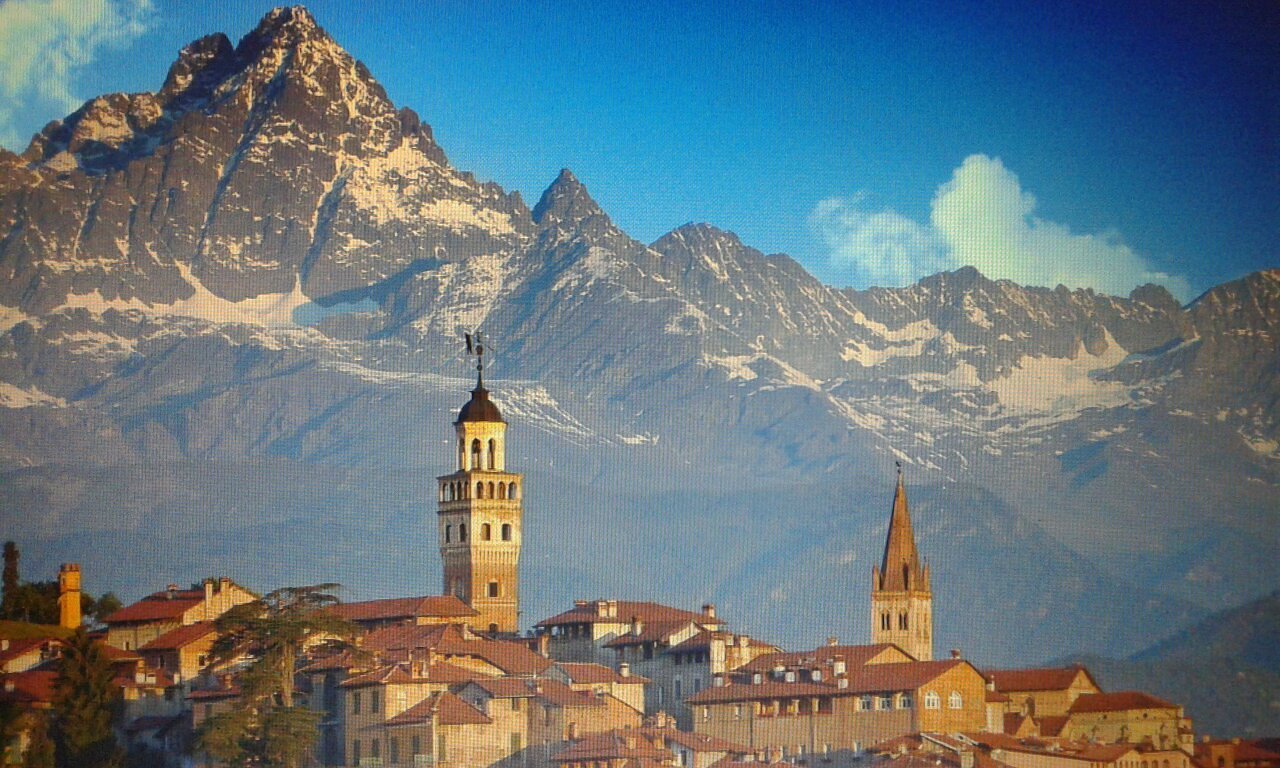
Dal 24 Ottobre 2026 al 24 Ottobre 2026
From Salt to Earth
An itinerary in the historic center of Saluzzo to tell the history, markets, and flavors of Saluzzo
An itinerary in the historic center of Saluzzo to tell the story of the territory through its commercial streets, ancient exchange routes, and the food traditions that shaped its identity.
The itinerary starts from the origins of Saluzzo and the Marquisate, highlighting the deep commercial roots of the city and its historical role as a hinge between the plain and the Alpine valleys.
A journey through the places and stories that testify how, over the centuries, goods, people, and knowledge have crossed the territory, contributing to building its economic and cultural identity.
Particular attention will be dedicated to the Salt Road and the Buco di Viso pass, ancient connecting arteries through which not only goods passed, but also cultures, preservation techniques, knowledge, and eating habits.
The route continues in via Volta, where a small but significant fragment of social and economic history is linked to the merca d’le fomne, the “Women’s Market”.
Here it will be possible to dwell on the daily life of the era and on the raw materials that characterized the diet of local communities: minor cereals, legumes, chestnuts, and other simple products, at the base of a cuisine poor in resources, but rich in variety and knowledge.
A further insight comes from the frescoes of Palazzo della Maghelona, in the street of the same name, which allow for the opening of a window on the world of trade and the relations that connected Saluzzo to even distant territories, ideally evoking also the sea and the great routes through which goods and knowledge circulated.
We then descend towards Corso Italia, with a stop at the Cathedral, heart of the market axis and of contemporary city life.
The stop offers the opportunity to tell the urban and commercial transformation of Saluzzo: from the ancient platea of the medieval historic center to the current market route, a function that over the centuries has been able to adapt to the needs of the community while keeping intact its role as a place of meeting, exchange, and relationship.
The itinerary concludes in Piazza Cavour, under the historic canopy of the Ala di ferro, today home to the Earth Market, where local producers gather around a philosophy based on biodiversity, quality, and seasonality.