From 10 August 2026 to 15 August 2026
Monferrato of the Infernot: Infernot of the Angels
A hidden jewel beneath the Town Hall, amidst carved stone, ancient silence, and the evocative atmosphere of the Monferrato wine tradition
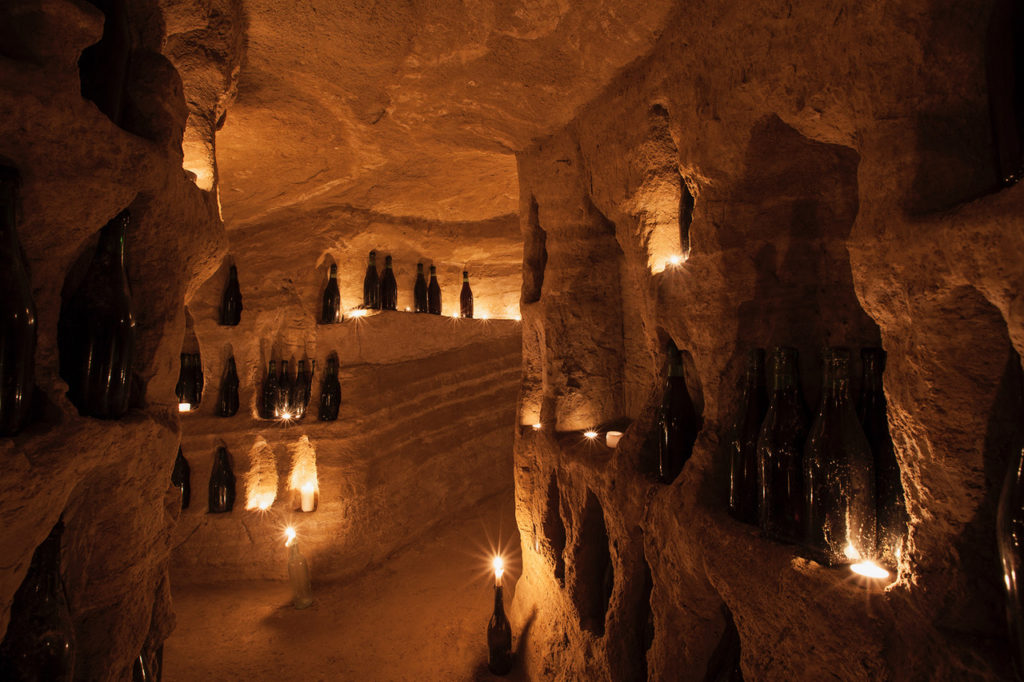
Among the oldest in Fubine Monferrato, it was carved around 1797 beneath the historic seat of the Town Hall, in connection with the local Tourist Office.
It is part of an extraordinary hypogeum complex, integrated into a system of underground cellars that make Fubine the locality with the highest concentration of surveyed Infernot in Monferrato.
A unique space between engravings and niches
It is a single-chamber environment connected to an ancient cellar via tunnels: the walls are enriched by engravings and equipped with niches for the storage of large-format bottles, unique in their kind.
This structure is not just a technical place for wine preservation, but a true historical heritage that tells the story of winemaking passion and the peasant ingenuity of past centuries.
The Infernot: underground jewels of Monferrato
In the heart of the Monferrato hills, the Infernot represent an architectural and cultural unicum that earned the territory UNESCO recognition in 2014, as part of the site Vineyard Landscapes of Piedmont: Langhe-Roero and Monferrato.
Thanks to their closed structure, devoid of light, noise, and ventilation, these environments guaranteed perfect conditions for wine preservation, maintaining constant temperatures and humidity throughout the year.
In some cases, it is possible to find a monolithic central table, used as a support surface or for tasting, a sign of the convivial and ritual use of these places.
A heritage shaped by peasant hands
These are not just functional spaces, but true works of peasant art.
They were mostly created between the second half of the nineteenth century and the first decades of the twentieth century by local families, who with simple tools and passed-down skills carved different forms, dictated by the taste and needs of each individual.
Every Infernot is different: with a circular, square, or corridor plan, with single or multiple chambers, steps, niches, or shelves for bottles.
Some still preserve a central table carved into the rock itself, a symbol of the convivial use of these places.
Today, the Infernot are a tangible testimony to the deep relationship between man and territory, a heritage made of stone, sweat, and wine that tells a story of simple life, ingenuity, and daily care.